
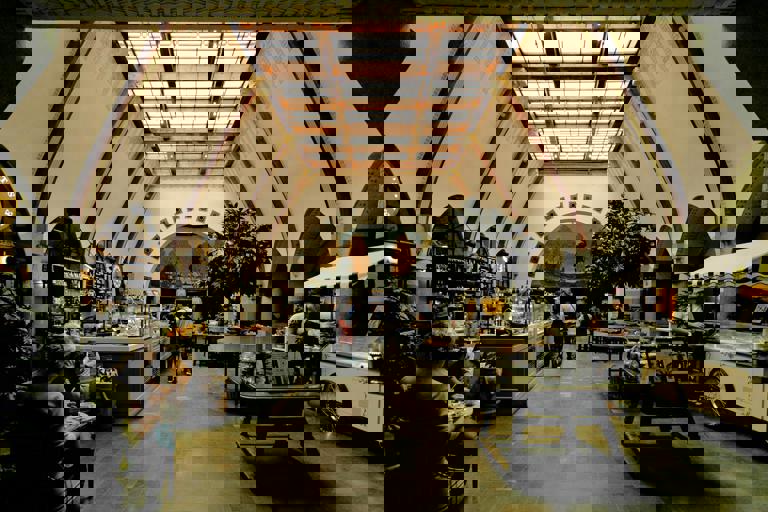
Once a dormant relic of the city’s industrial past, a sprawling warehouse has been spectacularly transformed into a bustling market hall, now drawing thousands each week. The cavernous building, its exposed brick and steel beams thoughtfully preserved, makes an atmospheric backdrop for over two dozen food stalls. Shoppers, tourists, and families alike stream in to experience an enticing slice of global street food culture, uniquely gathered under one historic roof.
At the heart of the market lies a promise to deliver something for every palate. Vendors offer a dizzying variety of cuisines – from steaming Vietnamese pho and spicy Mexican tacos to aromatic Ethiopian stews and classic French pastries. Visitors can embark on a culinary journey without ever leaving the building, sampling small plates or indulging in full meals crafted by passionate, often immigrant, chefs eager to share their childhood flavours.
Jane Foster, a local resident and frequent visitor, applauded the market’s diversity. “On any given day, I can grab a bowl of ramen for lunch and finish with churros for dessert. It’s a playground for food lovers,” she said. Vendors echo her enthusiasm, noting the sense of community among stallholders and the excitement of exposing British palates to bold international flavours seldom found in traditional high street restaurants.
The market’s growing popularity is reflected in its daily foot traffic. According to management, an estimated 1,500 visitors pass through the doors each day, with weekends seeing even higher numbers. “We never quite expected this level of turnout,” admitted operations manager Tom Harris. “The response from both locals and tourists has surpassed our wildest projections, and we now see visitors coming not just for the food, but for the vibrant atmosphere as well.”
A key draw is the site’s unique setting. The warehouse, meticulously restored, retains much of its industrial character, with high ceilings and massive windows pouring light over bustling food counters. Live music performances, pop-up art installations, and communal tables create a festival-like ambiance that encourages leisurely exploration and shared meals, fostering interactions between strangers from all walks of life.
Environmental sustainability has also been placed at the forefront of the market’s ethos. Many vendors place an emphasis on locally sourced produce and biodegradable serving ware to minimise waste. Sorting stations encourage recycling, and several stalls proudly display their affiliations with ethical food cooperatives. “We’re committed to supporting both the environment and small-scale farmers,” said Jasmine Ahmed, owner of a Middle Eastern stall specialising in organic mezze.
The economic impact on the surrounding neighbourhood cannot be overstated. As the market continues to thrive, nearby retailers and transport links have witnessed a noticeable uptick in activity. Property values around the site have edged upwards, and local councillors have cited the market as a model for how adaptive reuse of industrial sites can successfully revitalize urban areas and foster vibrant, inclusive communities.
Looking ahead, the warehouse market aims to expand its offerings by hosting seasonal festivals and cooking workshops featuring guest chefs from around the world. With plans to introduce late-night openings and collaborations with local artists, the venue seeks to remain at the forefront of the city’s social calendar. As the aroma of sizzling delicacies continues to spill out onto the street, this market stands as a testament to the enduring power of food to connect people across cultures.