
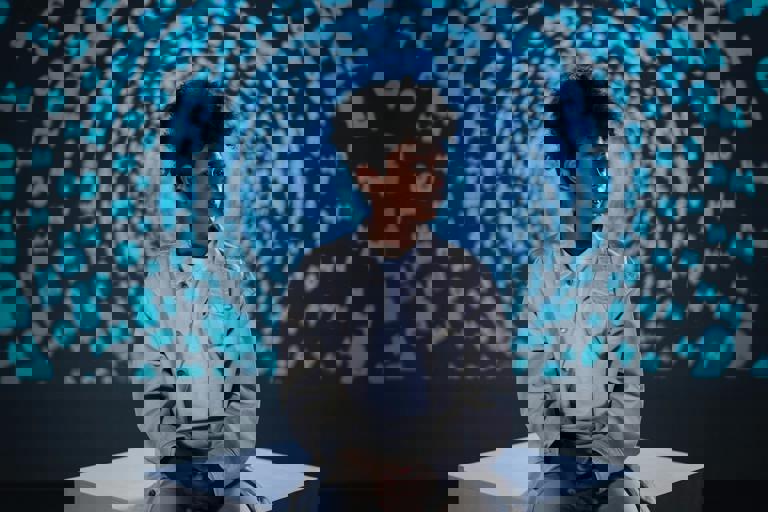
A groundbreaking exhibition is captivating museum-goers with an innovative approach to experiencing art. The immersive installation invites visitors to step beyond the traditional role of observer and become active participants within the artwork itself. By blending advanced digital projections with real-time audience interaction, the exhibition transforms each guest into a dynamic element of the evolving visual landscape, blurring the boundaries between creator and spectator.
Upon entering the exhibit space, visitors are greeted by walls and floors alive with swirling projections of colour and form. These digital visuals are responsive, shifting and morphing in direct response to human movement. As an individual steps into the projection area, sensors capture their gestures and translate them into shimmering patterns or swirling designs, effectively making each visitor a key contributor to the evolving composition.
The creators of this installation, a collective of multimedia artists and technologists, aimed to challenge conventional notions of passive art appreciation. "Art should be a living, breathing process," explains Anna Clarke, the project’s lead artist. "We wanted to let visitors feel the exhilaration of being both an artist and a canvas, merging their presence into the artwork’s ongoing story." This collaborative approach invites viewers to reconsider their relationship with art in modern museums.
Audience participation is at the heart of the installation’s success. Guests are encouraged not only to move about freely but also to interact with one another, watching as their individual contributions seamlessly meld together. The system is programmed to recognize groups and respond with larger, more complex patterns, ensuring that each experience is unique. This social dimension adds an extra layer of engagement, fostering creativity and communal connection among participants.
Technological innovation underpins the entire project. The use of motion-tracking cameras and artificial intelligence enables instant feedback and adaptation to the ever-changing flow of people within the space. Working in tandem, the projection mapping and sound design create a multi-sensory environment where visitors are enveloped by both sight and sound. The result is a mesmerizing, holistic experience that resonates long after visitors leave.
Art critics have praised the installation for pushing the boundaries of what museum exhibits can be. "This is the future of interactive art," notes culture journalist Evelyn Moore. "By dismantling the familiar barriers and making the audience an inseparable part of the creative process, the work achieves a rare intimacy and immediacy that’s seldom found in traditional galleries." Many agree that this project demonstrates how technology and creativity can successfully intersect.
Visitors of all ages have responded enthusiastically. Families, children, and older adults alike find it accessible and compelling, with many returning for repeat visits. According to museum staff, attendance numbers have soared since the exhibit’s debut, with post-visit surveys indicating an overwhelming appreciation for its interactive elements. For some, the sense of agency and playfulness contrasts delightfully with the often solemn atmosphere of conventional art spaces.
Educational programs have been woven into the exhibition as well, allowing schools and community groups to participate in special sessions. Workshops teach participants about the underlying technology and the artistic concepts driving the project. "We want to inspire the next generation of artists and engineers," says Marcus Rees, the museum’s education coordinator. These initiatives bridge the gap between art appreciation and hands-on learning, inviting deeper exploration into the marriage of art and technology.
As immersive, technologically interactive experiences become more prevalent, this installation sets a new benchmark for museum innovation. By transforming passive viewers into living art pieces, it redefines the possibilities for cultural engagement. The project’s popularity demonstrates a growing appetite for art that is not just viewed but embodied, hinting at a future where creative expression is truly collaborative and boundless in its potential.